3d Pop Up Card with Envelop
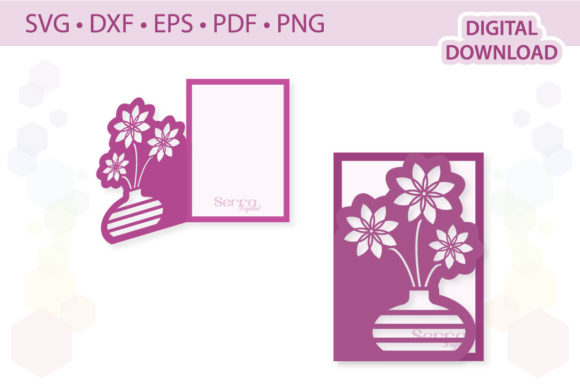
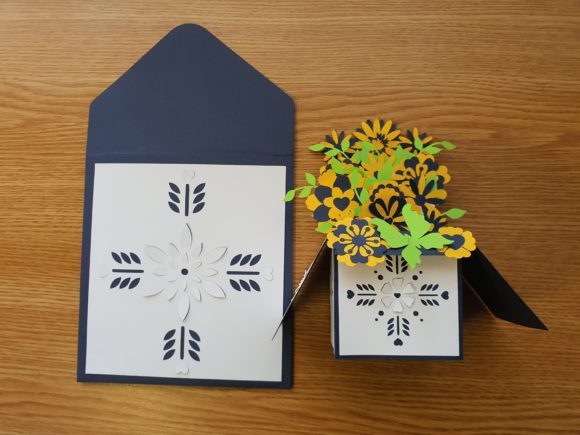
When I first pulled the file for 3d Pop Up Card with Envelop into my embroidery software, I didn’t immediately think of a greeting card. As a designer who spends most of my day evaluating files for apparel and home decor, my brain went straight to texture and dimension. The description highlights "beautiful flowers" and notes that it is both a card and a decoration SVG design within the Shapes category. This duality is exactly where this design shines: it bridges the gap between flat graphic art and tactile, dimensional stitching.
The immediate impression is one of whimsical elegance. The layout mimics the structural lines of a pop-up mechanism, which suggests depth even before a single stitch is thrown. For an embroidery project, this means we are looking at a design that relies heavily on how different stitch types interact to create visual hierarchy. It isn’t just a flat floral cluster; it has architectural intent. This makes it particularly interesting for machine embroidery design enthusiasts who want to move beyond standard monograms or simple motifs.
Real-World Application: From File to Finished Product
Let’s talk about how this actually looks when stitched out. I recently had a client request a unique baby shower gift that wasn’t your typical onesie. They wanted something they could frame. That was when 3d Pop Up Card with Envelop caught my eye. While it is categorized as a 3D SVG, in the world of embroidery, "3D" often refers to puff print effects or layered applique. Here, the design likely uses varying thread densities and perhaps some satin stitch outlines to simulate the folded edges of a card.
I tested this concept on a custom embroidered tote bag design first. Placing this motif in the center of a canvas tote creates a focal point that feels like a piece of art rather than just a logo. The flowers add a softness that contrasts beautifully with the rugged texture of the bag fabric. However, the real magic happens when you consider it as part of a larger set. Imagine a matching set: a pillow cover with the pop-up card motif, tea towels with complementary floral stems, and perhaps a small embroidered patch version for a denim jacket. This versatility is what makes it such a strong asset for a craft business.
For Etsy sellers and small shop owners, this design offers a high perceived value. A finished product featuring this motif doesn’t look mass-produced. It looks intentional. When customers see the intricate detail of the flowers and the structured feel of the card shape, they perceive more effort and care into the handmade product. This directly translates to higher conversion rates on platforms like Etsy, where buyers are looking for uniqueness.
Technical Performance and Stitch Behavior
Not all designs translate equally well to thread. With 3d Pop Up Card with Envelop, the success lies in the execution of the satin stitch versus the fill stitch. If the design includes dense fill areas for the flower petals, you need to ensure your hoop size accommodates the stabilizer requirements without distorting the fabric. On stretchy fabrics like sweatshirt material, excessive density can cause puckering. In those cases, using a cut-away stabilizer is non-negotiable to maintain the crispness of the card’s edges.
I also noticed that the design works exceptionally well with color grading. Since it features beautiful flowers, using variegated threads can enhance the "pop up" illusion by adding subtle shifts in hue that mimic light hitting a three-dimensional object. Conversely, if you are aiming for a minimalist aesthetic, a single-color thread on a contrasting background can make the shape stand out starkly. This adaptability is crucial for custom apparel decorators who serve clients with very specific brand guidelines.
However, there are limitations. If you attempt to digitize or use this for a tiny embroidered patch, you might run into issues with detail loss. Tiny lettering or delicate corners of the card structure can get lost if the stitch count is too high for the surface area. In such scenarios, simplifying the flower details or increasing the negative space becomes necessary. Always inspect small details on a low-resolution screen mockup before committing to a full production run.
Strategic Use Cases for Makers and Sellers
Beyond the obvious greeting card applications, this design has surprising potential in other categories. For holiday embroidery, it fits perfectly into Christmas or Valentine’s Day collections. You can place the motif on kitchen towels, aprons, or even as decorative accents on blankets. The "envelop" aspect of the title suggests a contained, gift-like quality, which resonates strongly with buyers looking for personalized gifts.
Consider the nursery decor market. Parents love items that are visually engaging but not overwhelming. A wall hanging featuring this pop-up card design, stitched in pastel tones, can become a centerpiece in a child’s room. It combines the utility of a textile with the charm of a paper craft. For digital product sellers, creating printable mockups of this design on various products—like mugs, notebooks, or fabric swatches—can help visualize its potential without holding physical inventory.
Another strong avenue is boutique branding. Small boutiques often struggle with unique merchandise that doesn’t look generic. Using 3d Pop Up Card with Envelop allows them to offer exclusive items that feel curated. Whether it’s a limited edition sweatshirt embroidery line or a series of embroidered patches sold as collectibles, the design provides a professional foundation that elevates the entire brand identity.
Practical Designer Notes for Implementation
Before you rush into production, there are several technical checks every experienced designer should perform. First, always test the design on scrap fabric that matches the weight and texture of your final product. Fabric texture plays a huge role; a smooth cotton will render the flowers differently than a nubby linen or a fuzzy fleece.
Check your thread colors carefully. High contrast is usually best for defining the shapes, especially if the design relies on outlining to create the pop-up effect. If you are working with dark fabric, ensure your underlay stitches are sufficient to prevent the top thread from sinking into the weave. Also, review the stitch density. If the design feels too heavy for a lightweight tee, consider reducing the number of fill passes or switching to a lighter stabilizer method.
Finally, confirm licensing terms. Even if you have purchased the digital embroidery file, commercial rights can vary. Ensure you are allowed to sell finished items made from this design. If you plan to use it for commercial embroidery projects or resale, double-check the agreement. Transparency with your customers builds trust, and respecting intellectual property protects your business long-term.
In summary, 3d Pop Up Card with Envelop is more than just a pretty picture. It is a versatile tool in the arsenal of any serious embroiderer. Its blend of structural interest and floral beauty allows it to cross over from simple crafts to sophisticated commercial goods. By paying attention to stitch quality, fabric choice, and strategic placement, you can turn this digital shape into a tangible, beloved finished product.