40 Rose Paper Flower Templates: 3D SVG for Modern Blogs
In the world of digital publishing, visual hierarchy is not just an aesthetic choice; it is a functional necessity. As a blog designer who has spent years optimizing content for readability, click-through rates, and brand trust, I approach every new graphic design asset with a critical eye. We are looking for more than just pretty pictures. We need elements that support editorial design, enhance user experience, and drive engagement without slowing down site performance or cluttering the interface.
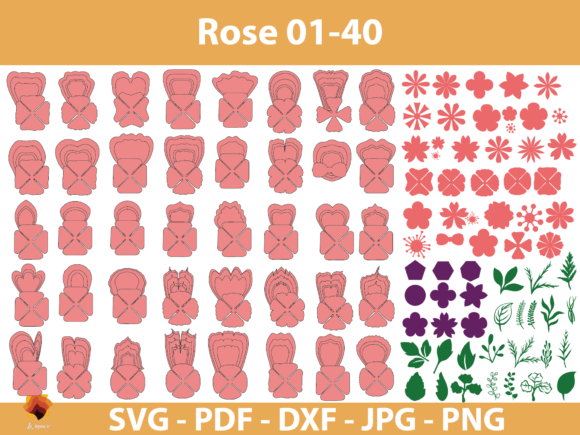
Recently, I evaluated a comprehensive set titled 40 Rose Paper Flower Templates. This collection offers 3D SVG files designed for DIY projects, ranging from home decor to wedding backdrops. However, my review focuses on its viability for real-world content publishing workflows. Can these assets elevate a lifestyle blog? Do they add value to a newsletter? How do they perform in affiliate marketing contexts? Below is a detailed breakdown of how this digital product fits into the modern publisher’s toolkit.
The First Impression: Editorial Mood and Niche Alignment
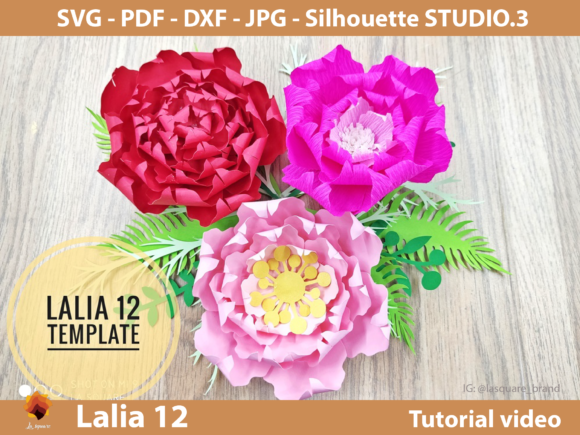
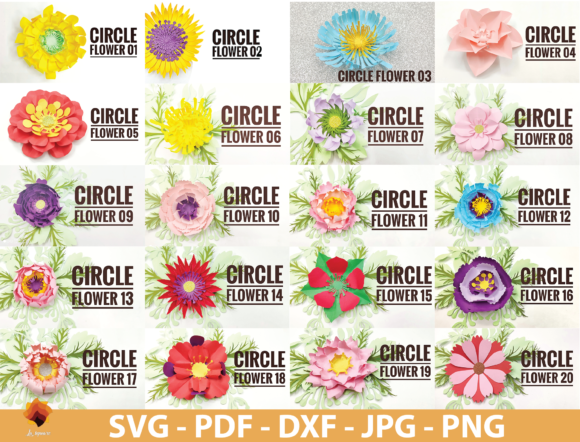
When you first load the preview images of the 40 ROSE 01-40 templates, the immediate takeaway is one of tactile elegance. The 3D nature of the SVGs suggests depth and texture, moving away from flat, generic clip art. For a content creator, this translates to a specific editorial mood: warm, inviting, and artisanal.
This aesthetic naturally supports niches such as:
- Lifestyle and parenting blogs
- Wedding planning and bridal guides
- Home decor and interior styling
- Craft tutorials and DIY education
- Baby shower and nursery themes
If your website relies on a clean, minimalist, or corporate visual system, these may feel too decorative. However, for brands aiming for a feminine, playful, or artistic identity, these design assets provide an instant boost in perceived quality. They signal to the reader that the content inside is crafted with care, which subtly builds reader trust.
Integrating 3D SVGs into Real Publishing Workflows
The true value of a creative design library lies in its versatility across different media channels. Here is how I would deploy the 40 Rose Paper Flower Templates across a typical content marketing strategy.
Blog Featured Images and Headers
Your featured image is the first thing a visitor sees in search results or on your homepage. Using a high-quality 3D rose graphic as a background element can create a striking visual hierarchy. Because these are SVGs, they remain crisp at any resolution. You can layer them behind bold typography to create headers that look professionally designed rather than templated. This consistency strengthens your brand identity across all articles.
Pinterest Graphics and Social Media Previews
Pinterest is a visual search engine, and pins with strong, textured imagery often outperform flat designs. These paper flower templates are ideal for creating vertical pin graphics. The "paper" texture implies a crafty, hands-on approach, which performs exceptionally well in DIY and tutorial niches. You can use individual roses as accents in corners or arrange them as a backdrop for text overlays like "5 Easy Baby Shower Ideas."
Lead Magnets and Digital Guides
If you are creating a lead magnet, such as a printable checklist or a short eBook, cover design is paramount. A bundle of these 3D roses can serve as a powerful header for a PDF guide. For example, a "Ultimate Wedding Planning Checklist" could feature a subtle overlay of rose textures to evoke romance and organization simultaneously. This elevates the perceived value of the free download, increasing opt-in rates.
Newsletter Banners and Email Content
In email marketing, whitespace is your friend, but so is accent color. Use these flowers sparingly as dividers or section headers within your HTML newsletters. They break up long blocks of text and guide the reader’s eye down the page. When paired with a serif font for headlines and a sans-serif font for body text, the organic shapes of the flowers soften the layout, making it feel more personal and less automated.
Boosting Content Performance Through Visual Strategy
Using high-quality web design elements directly impacts key metrics. Here is how this asset supports performance goals:
- Stronger First Impression: Polished visuals reduce bounce rates by making the site appear authoritative and established.
- Better Click-Through Potential: Distinctive graphics help your content stand out in crowded social feeds and search result snippets.
- Improved Reader Trust: Consistent, high-resolution assets signal professionalism. Blurry or stretched images erode credibility.
- Category Recognition: If you use a specific rose style for your "Wedding" category and another for "Baby Showers," readers will subconsciously learn to navigate your site faster.
Furthermore, because these are vector files, they are lightweight compared to heavy raster images. This contributes to faster page load times, a crucial factor for SEO and user retention on mobile devices.
Where to Exercise Caution
No single asset is perfect for every context. While these templates are versatile, there are scenarios where they should be used carefully:
- Small Mobile Thumbnails: At very small sizes (e.g., 150x150 pixels), intricate 3D details may blur or become muddy. In these cases, simplify the graphic or use a solid color block instead.
- Text-Heavy Blog Images: Avoid placing dense text directly over complex floral backgrounds. Ensure sufficient contrast and consider adding a semi-transparent overlay to maintain readability.
- Serious Professional Niches: For legal, financial, or strict B2B corporate sites, these decorative elements might undermine the tone of seriousness required. Stick to abstract or geometric shapes in those contexts.
- Busy Layouts: If your website already has many competing visual elements, adding large floral graphics can create visual noise. Use them as subtle accents rather than dominant features.
Practical Publisher Notes for Implementation
Before integrating these assets into your live site, follow this technical checklist to ensure optimal results:
Test Across Devices: Always preview your graphics on both desktop and mobile screens. What looks balanced on a wide monitor may feel cramped on a smartphone.
Check Contrast and Readability: Place your headline text over the graphics. If the text becomes hard to read, adjust the opacity of the image or change the text color. White text often works best on darker rose tones, while dark text suits lighter pastel variations.
Font Pairing: Experiment with typography. These organic shapes pair beautifully with elegant script fonts for titles and clean sans-serifs for body copy. Avoid pairing them with overly rigid display fonts unless you are going for a high-contrast modern look.
File Size Optimization: Even though SVGs are vector-based, if you export them as PNGs for compatibility, compress them properly. Tools like TinyPNG can reduce file size without visible quality loss, ensuring your site remains fast.
Commercial Licensing: Verify the commercial license terms. Most marketplaces allow use in monetized websites and affiliate pages, but some restrict resale as standalone digital products. Ensure you have the right to use these in your affiliate marketing content and paid digital guides.
Final Verdict for Content Creators
The 40 Rose Paper Flower Templates offer a robust solution for bloggers and designers seeking to inject warmth and professionalism into their digital presence. By leveraging the depth of 3D SVGs, you can create blog graphics that compete with top-tier publications. Whether you are designing a Canva template for clients, updating your website header, or crafting a visually stunning digital download, these assets provide the polish needed to stand out.
For creative entrepreneurs and small business owners, investing in high-quality design assets is an investment in brand equity. These roses are not just decorations; they are tools for communication that help tell your story more effectively. When used strategically, they transform ordinary content into an engaging, trustworthy, and visually cohesive experience.