DIY 3D Pop-up Greeting Card: A Designer’s Review of the 3D SVG Paper Flowers Template
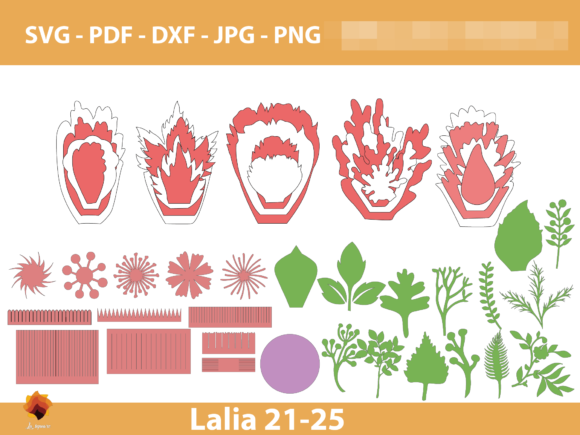
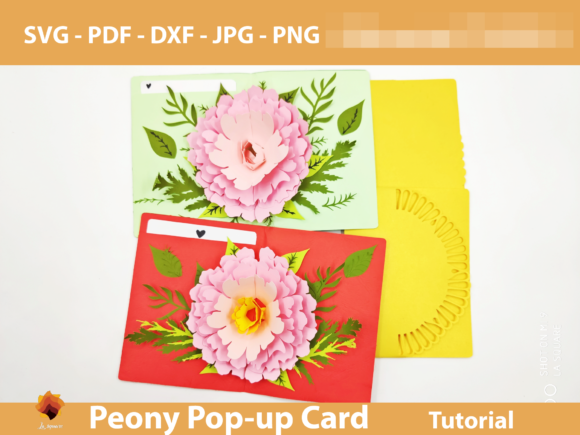
When a client approaches me with a request for a handmade business aesthetic that still feels polished enough for high-end retail, I immediately think about tactile design elements. We are currently reviewing the 5x7in Peony Pop-up card template for handmade greeting card, birthday card, wedding card, christmas card, valentine day card, holiday card, woman day card, anniversary card..... RECOMMEND Can use DXF. This asset is not just a flat image; it is a structural design bundle intended to create depth and interaction. For designers working in print-on-demand, Etsy product creation, or boutique branding, understanding how this graphic design asset translates from screen to physical paper is crucial.
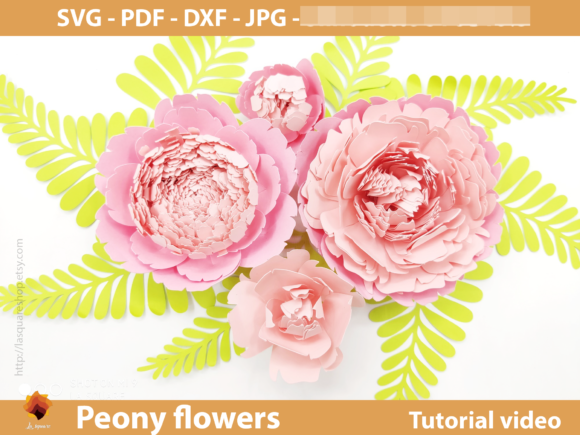
The first impression of this template is one of delicate complexity. The peony motif, rendered through a 3D SVG framework, suggests volume without relying on heavy shading or raster effects. It feels organic yet precise. In terms of mood, it leans heavily into romantic, celebratory, and feminine aesthetics. It fits naturally within a project scope that values craftsmanship. If you are building a brand identity for a floral shop, a wedding planner, or a luxury stationery line, this visual language speaks directly to an audience that appreciates detail. However, as a professional designer, my job is to look past the pretty picture and assess the utility, scalability, and technical integrity of the file.
Real-World Application in Client Projects
In a recent project for a local florist launching a Valentine’s Day collection, we needed marketing visuals that could bridge the gap between digital advertising and physical packaging. The goal was to create a cohesive story where the social media graphics hinted at the unboxing experience. This is where a digital product like this pop-up card template becomes invaluable. Instead of sourcing generic clipart, using a structured SVG design allows us to manipulate layers, adjust spacing, and integrate the element seamlessly into larger compositions.
This asset performs exceptionally well in packaging design. Imagine a small box for bath bombs or jewelry adorned with this peony structure. The 3D pop-up nature implies movement and surprise, which increases emotional appeal and audience engagement. When used in editorial design for lifestyle blogs or Pinterest pins, the intricate lines of the flower catch the eye, stopping the scroll. It adds a layer of sophistication that simple vector icons cannot achieve. Furthermore, for Cricut users and vinyl crafters, the included DXF recommendation ensures compatibility with cutting machines, making it a versatile tool for creating physical merchandise such as stickers, decals, and t-shirt designs.
Strategic Placement and Visual Hierarchy
Not every design element belongs everywhere. While this illustration is striking, it demands respect in terms of layout. It works best when given breathing room. Large layout areas and hero graphics are the ideal homes for this asset. Placing it as a central focal point on a wedding invitation or a holiday card allows its geometric beauty to shine. It can also serve as a decorative accent on product mockups, framing a logo or highlighting a key feature of a product.
However, caution is required. This asset should be used carefully in crowded layouts. Because the peony design contains many internal negative spaces and intersecting lines, reducing it to a tiny size can cause the details to blur or merge, resulting in a muddy visual appearance. On low-contrast designs, particularly those with busy backgrounds, the subtleties of the 3D effect may be lost. Minimalist branding projects that rely on clean visual hierarchy might find this element too ornate. In such cases, it could disrupt the professional tone unless heavily simplified or used as a very subtle watermark.
Consider the impact on readability. If this graphic is placed over text, ensure there is sufficient contrast and separation. The intricate nature of the Paper Flowers design can compete with typography if not managed correctly. It is best suited for supporting brand elements rather than competing with primary information. When integrating this into web design or marketing visuals, test how it interacts with sans serif font, script font, and display font styles. A bold sans serif headline often pairs well with the delicate curves of the peony, creating a balanced modern design.
Technical Inspection and Commercial Viability
Before committing to any commercial license for a client project, rigorous testing is non-negotiable. First, inspect the file formats. A true vector editability check is essential. Open the SVG in your preferred design software and examine the node count. Are the paths clean? Are there unnecessary anchor points that could complicate printing or cutting? If the asset includes a PNG design version, check the transparency edges for jagged artifacts. For a sublimation design or high-resolution print, clarity is paramount.
Next, evaluate the color adaptability. Test the asset in black and white. Does the structure hold up without color cues? This is critical for monochromatic branding or cost-effective printing options. Check contrast on both light and dark backgrounds. A peony design that relies on white space to define its petals may disappear on a light cream background. Always preview it at small and large sizes to ensure versatility across different mediums, from Instagram posts to large format posters.
Furthermore, consider the material application. If this is intended for a sticker design or t-shirt design, simulate the cut lines. The DXF compatibility mentioned in the description is a strong plus for Cricut projects, but verify that the inner details (like the stamen or petal veins) are cuttable at the scale you intend. Tiny details may require specialized vinyl or may break during weeding. For printable wall art or Canva templates, ensure the resolution supports the output dimensions without pixelation.
Final Verdict for Design Professionals
The 5x7in Peony Pop-up card template is a robust creative design asset that offers significant value for specific niches. It excels in projects requiring a handmade, artisanal feel, such as wedding cards, anniversary cards, and seasonal greetings. Its ability to function as both a digital graphic design asset and a physical cutting file makes it a multi-purpose tool for small business branding.
For designers, the key takeaway is intentionality. Use this asset to elevate projects that benefit from texture and depth. Avoid forcing it into rigid corporate environments or overly minimalist contexts where it may clash. By respecting its complexity and testing its performance across various scales and materials, you can leverage this design bundle to create memorable, emotionally resonant work. Whether you are crafting a holiday card for a family client or developing a full brand identity for a boutique, this 3D SVG template provides a solid foundation for beautiful, functional design.
In summary, if your project calls for elegance, interactivity, and a touch of floral romance, this asset is highly recommended. Just remember to validate the commercial rights, test the technical execution, and place it with care to maintain the highest standards of visual trust and professionalism.