DIY Paper Cactus Templates: A Designer’s Review
When I sit down to evaluate a new embroidery design, I am rarely looking for just another pretty picture. As a designer who frequently produces assets for small businesses and custom apparel clients, I need to know if a file will translate from the screen to the fabric without losing its soul. Today, I am taking a close look at DIY Paper Cactus Templates. This is not your standard single-image digitization; it is a comprehensive package designed for those who appreciate the tactile beauty of paper crafts translated into thread. With a collection that includes PDF, SVG, DXF, PNG, and JPG files, along with specific templates for crepe cactus flowers, this set promises a unique angle on the popular succulent trend. But does it hold up in a real-world production environment? Let’s dig into the practical details.
The First Impression: Mood and Visual Personality
The moment you open the DIY Paper Cactus Templates package, the intent is clear. This is not about photorealistic botanical accuracy; it is about stylized charm. The designs evoke a mid-century modern aesthetic mixed with contemporary craft culture. The shapes are clean, geometric, and slightly playful, which immediately signals that this machine embroidery design is best suited for lifestyle brands, nursery decor, and boutique home goods rather than high-fashion or corporate branding.
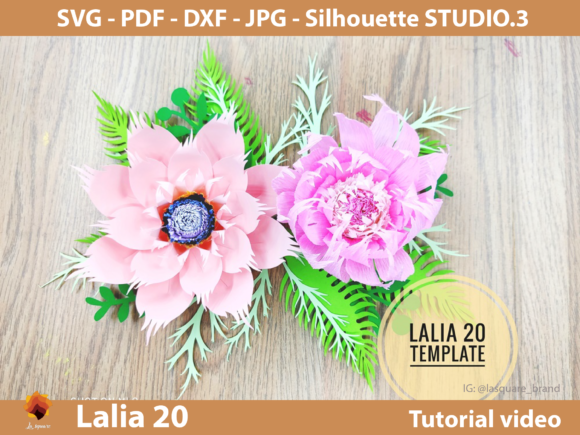
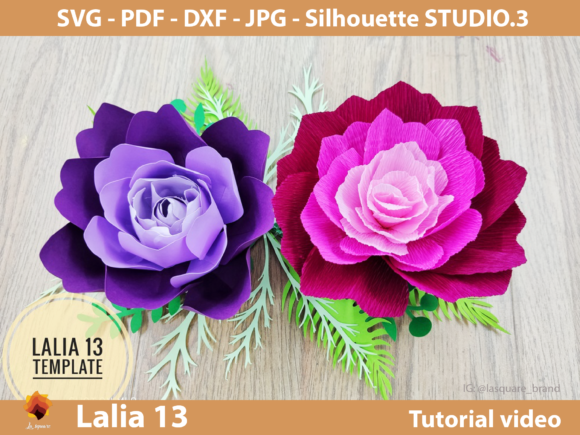
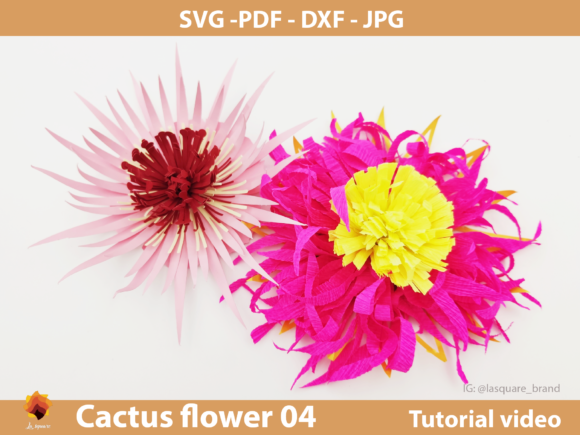
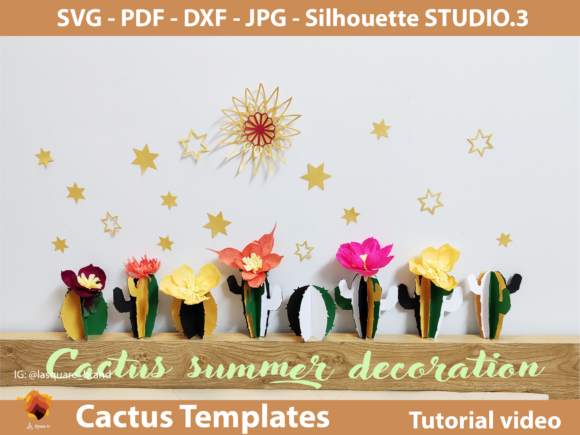
The inclusion of Paper Flowers elements within the context of a cactus theme creates an interesting juxtaposition. By providing templates for both the paper-style cactus body and the crepe flower accents, the designer has given us a roadmap for creating depth. In my experience, combining these two distinct visual styles—flat paper geometry and soft floral texture—requires careful planning. The mood here is cheerful, inviting, and distinctly handmade. It feels like something you would see on a carefully curated Etsy listing or a gift tag attached to a local artisan’s product. It lacks the aggressive boldness of streetwear graphics but possesses a quiet confidence that appeals to customers looking for warmth and personality in their custom apparel.
Real-World Application: Where This Design Shines
I recently evaluated how this template set would perform on a series of potential products, simulating a workflow for a small shop preparing for the holiday season. The versatility of DIY Paper Cactus Templates becomes apparent when you consider the range of items it can adorn.
- Custom Apparel: On a heavyweight cotton sweatshirt, the cactus shape reads as a statement piece. Because the design relies on clear lines, it works beautifully as a chest pocket placement or a centered back print. When paired with a contrasting thread color, it offers a sophisticated yet casual look that fits well in current market trends.
- Baby and Nursery Items: The soft curves of the included 3D SVG flower templates make this an excellent candidate for baby blankets and onesies. However, the key here is scale. Used on a larger blanket, the detail holds up. On a tiny onesie, it might become cluttered unless simplified.
- Home Decor: This is perhaps the strongest use case. I envision these designs on linen tea towels, kitchen aprons, and throw pillow covers. The "paper" aesthetic mimics the texture of woven fabrics, creating a harmonious visual link between the medium (fabric) and the motif (paper). For a handmade product line focused on coastal or desert-inspired interiors, this is a winner.
- Accessories: Tote bags and canvas backpacks benefit from the sturdy nature of the cactus silhouette. It anchors the bag visually. Similarly, embroidered patches featuring these designs can be applied to denim jackets or beanies, adding a pop of color and character.
The ability to use the DXF files suggests that this design can also bridge the gap between embroidery and cutting machines. For a craft business, this means you can create layered projects—perhaps cutting felt shapes using the SVG and then stitching the crepe flower centers onto them. This hybrid approach adds significant value to a small shop product, allowing you to charge a premium for multi-texture pieces.
Technical Considerations and Stitching Challenges
No design is perfect, and understanding the limitations of DIY Paper Cactus Templates is crucial for avoiding costly mistakes. While the concept is strong, the execution depends heavily on your machine settings and material choices.
Stitch Density and Clarity: The paper-craft style often relies on solid fills or dense satin stitches to define the edges. If the stitch density is too high, the fabric may pucker, especially on lightweight materials. Conversely, if the density is too low, the "paper" look may appear sparse and unfinished. You must check the stitch density in your digitizing software before committing to a run. I recommend testing the fill areas on scrap fabric first to ensure the thread coverage is even and opaque.
Fabric Compatibility: This design struggles on highly textured or stretchy fabrics. The crisp lines of the cactus require a stable base. Using a proper stabilizer is non-negotiable. For knit fabrics like t-shirts or hoodies, a cut-away stabilizer will prevent distortion. On woven fabrics like linen or cotton, a tear-away or wash-away stabilizer might suffice, depending on the hoop size. Avoid using this on dark, heavy-denim jeans without a substantial underlay, as the contrast may be lost in the weave.
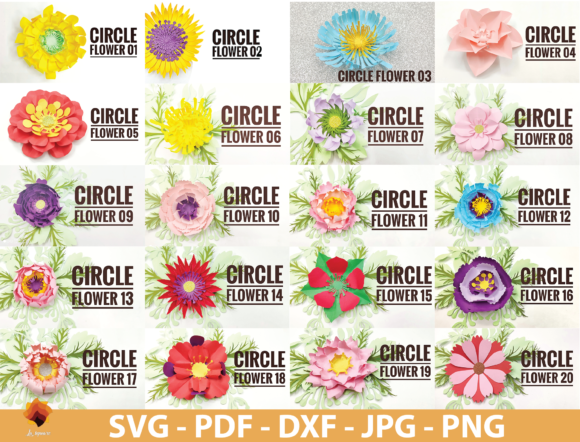
Detail Management: The package includes templates for 14 flower centers and 12 flower bases. These smaller components are where things can go wrong. If you attempt to stitch these tiny details on a small hoop, the needle may hit the edge of the design area, causing skipped stitches or thread breaks. Always confirm your hoop size matches the design dimensions. If you are scaling the design down significantly, you may need to simplify the flower details manually in your software to maintain clarity.
Strategic Advice for Sellers and Creators
For Etsy sellers and digital product sellers, the presentation of this design is as important as the stitching itself. The "DIY" aspect implies that customers might want to customize it. Ensure your listings highlight the flexibility of the formats provided. Show mockups of the cactus in different thread colors to demonstrate how versatile the embroidery file is.
Consider the licensing terms carefully. Before offering this as part of a commercial embroidery service or selling finished goods, verify the license agreement included with the templates. Some digital assets allow unlimited commercial use, while others restrict the number of physical items sold. Protecting your brand consistency means respecting intellectual property rights, which builds long-term trust with your audience.
When creating printable mockups for your online store, focus on the emotional connection. Show the cactus on a cozy living room wall, a child’s bedroom door, or a farmer’s market tote. Help the buyer visualize the finished product in their life. The charm of this design lies in its ability to bring a touch of whimsy and nature indoors. Highlighting this benefit in your marketing copy will drive engagement more effectively than technical jargon alone.
Final Verdict
DIY Paper Cactus Templates is a thoughtful, aesthetically pleasing addition to any designer’s library. It succeeds because it understands the current desire for handmade, craft-inspired aesthetics in digital embroidery. It is not just a file; it is a starting point for creative exploration. Whether you are stitching a personal gift for a friend or producing a batch of boutique aprons, this design offers a reliable foundation for success. Just remember to respect the technical requirements—test your stitches, choose your fabrics wisely, and let the unique personality of the paper-craft style shine through. For those willing to put in the preparation work, the result is a professional, eye-catching embroidery project that stands out in a crowded marketplace.