Easter Eggs Hunt Clipart Vector Review
As a designer who spends half my day staring at stitch charts and the other half troubleshooting tension issues on vintage machines, I don’t just look for "pretty" graphics. I look for viability. When Easter Eggs Hunt Clipart Vector landed in my inbox, my first instinct wasn’t to admire the colors—it was to ask how it would translate from a flat digital file into a tactile, stitched reality. For those of us building a craft business or designing custom apparel, the gap between a crisp SVG and a successful embroidery project is often where projects fail. This review breaks down exactly where this design shines and where you might want to proceed with caution.
First Impressions: Mood and Visual Personality
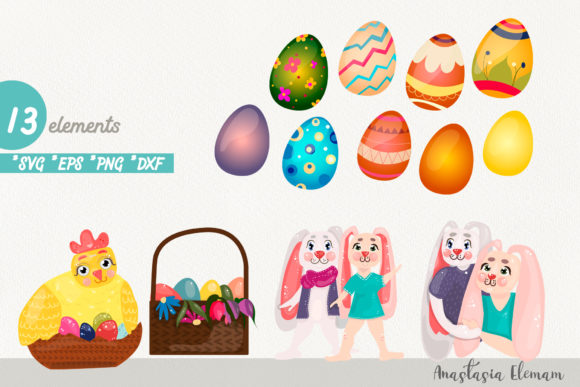
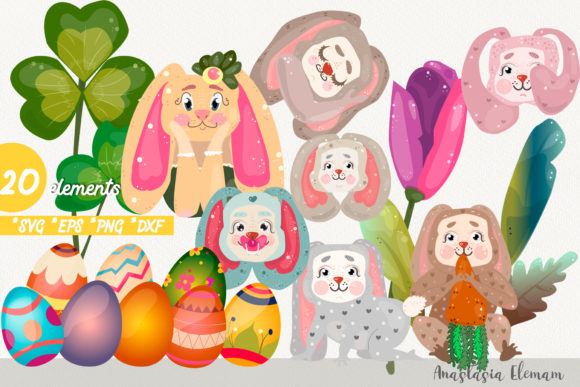
The moment you open the file, the mood is immediately clear: cheerful, nostalgic, and undeniably spring-focused. The set includes 20 distinct elements featuring Easter bunnies, eggs, and floral accents. What stands out isn’t just the quantity, but the cohesion. In the world of Decorative Elements, it is rare to find a collection that feels like it belongs to the same family rather than a haphazard grab-bag of clipart. The visual personality leans toward whimsical but structured, which is crucial for embroidery. If the lines are too loose or organic, they can become muddy when converted to stitches. Here, the shapes feel defined enough to hold their structure during digitizing, yet soft enough to maintain that handmade, boutique charm that customers love.
This isn’t just a graphic; it’s a foundational asset for seasonal branding. Whether you are an Etsy seller looking to refresh your shop banner or a maker preparing holiday inventory, the aesthetic hits the sweet spot between professional polish and cozy homemade warmth. It creates an immediate emotional connection, signaling freshness and celebration without shouting for attention.
Real-World Application: From Screen to Stitch
Let’s talk about a specific scenario. Imagine you are preparing a batch of custom embroidered tote bags for a local spring market. You need something that pops against canvas but doesn’t overwhelm the bag’s utility. Using the bunny or egg motifs from Easter Eggs Hunt Clipart Vector as the focal point allows for a balanced composition. Because the vector set offers multiple elements, you aren’t locked into a single rigid layout. You can create a scattered pattern across the front pocket or center a single detailed bunny above a small text element.
I also see strong potential here for baby items and nursery decor. The softer curves of the flowers and the rounded shapes of the eggs translate beautifully to baby clothes and blankets. When digitized correctly, these shapes avoid the harsh angles that can sometimes make embroidery look aggressive or dated. Instead, they lend themselves to a gentle, heirloom-quality finish. For small shop product creators, this versatility means one purchase can feed multiple categories—from custom apparel to kitchen textiles like tea towels and aprons.
The inclusion of various formats (EPS, DXF, SVG, PNG) is a practical win. While I primarily work with machine embroidery files, having the vector source allows me to adjust proportions before finalizing the digitization. If a bunny looks slightly too wide for a specific cap brim, I can scale it in Illustrator before sending it to the embroidery software. This control over the design assets is what separates a pro workflow from a guess-and-check approach.
Technical Considerations and Stitch Clarity
No matter how beautiful a design is on screen, its success depends on how it handles the needle. When evaluating Easter Eggs Hunt Clipart Vector for actual production, several technical factors come into play. First, consider the stitch density. Designs with intricate fill areas require careful underlay selection to prevent fabric puckering. If you plan to use heavy fill stitch techniques for the egg bodies, ensure your digitizer has specified appropriate stabilizer backing—likely a cut-away for stretchy fabrics like sweatshirts or a tear-away for stable cottons.
Detail level is another critical checkpoint. While the vector art is clean, some of the smaller floral details may not survive a small hoop size if digitized with standard settings. Tiny running stitch details can get lost or tangled if the thread count is too high relative to the design space. My advice? Test the most complex element of the set on scrap fabric first. Check how the satin stitch edges lay on different fabric textures. A rough linen will eat away fine details faster than smooth cotton, so you may need to simplify certain paths for specific materials.
Color contrast is non-negotiable. The vibrant nature of the original clipart suggests bright thread choices, but remember that thread sheen can alter perception. A pastel yellow egg might disappear on a cream background unless the stitch direction or texture provides enough contrast. Always run a black-and-white mockup of your digitized design to check value separation before committing to expensive spools of thread.
Where to Exercise Caution
Even great designs have limitations. There are specific contexts where Easter Eggs Hunt Clipart Vector might struggle if not handled with care. Avoid placing overly dense versions of this design on curved surfaces like baseball caps or fitted sleeves without proper digitizing adjustments for curvature. The distortion can warp the delicate flower petals, making them look uneven.
Similarly, be wary of using tiny detail-heavy elements on thin or highly textured fabrics. If you are embroidering on a lightweight muslin or a bouclé knit, the stability required to hold the shape might outweigh the aesthetic benefit. In these cases, opt for simpler line-art versions of the bunnies or larger, bolder egg shapes. Also, keep in mind that frequent washing can wear down fine details. If this is for a commercial item meant to last years, reinforce the stitch density in high-wear areas or choose a design with fewer micro-details.
Final Verdict for Designers and Sellers
Easter Eggs Hunt Clipart Vector is more than just a seasonal decoration; it is a versatile toolkit for creative entrepreneurs. Its strength lies in its adaptability. It works equally well for a quick personalized gift for a neighbor and a polished addition to a boutique’s spring collection. The key to success is respecting the medium. Embroidery is a subtractive and additive process that changes the nature of the image. By testing your digitization, choosing the right stabilizer, and matching the design complexity to the garment type, you can turn these vector graphics into high-value finished products.
For anyone looking to expand their craft business offerings this season, this set provides a solid foundation. It saves time on creation, ensures brand consistency through cohesive styling, and offers the variety needed to appeal to diverse customer tastes. Just remember to verify licensing terms if you plan to sell the physical goods, and always prioritize the integrity of the stitch over the perfection of the pixel. When done right, the result is a piece of wearable art that feels personal, professional, and perfectly timed.