Flowers - Coloring Book Design
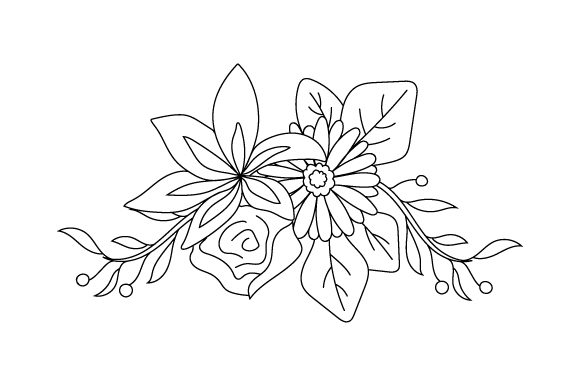
As a designer who spends more time staring at stitch charts and fabric swatches than sleeping, I have learned to trust my gut before I ever load an embroidery file into the machine. When I first pulled up Flowers - Coloring Book Design, I didn’t just see a pattern; I saw a mood. It felt less like a traditional floral cluster and more like an invitation to create. The outline-heavy nature of this design immediately signals its purpose: it is meant to be filled, colored, and personalized. For those of us in the craft business or running a boutique shop on Etsy, that distinction is everything.
This isn’t just another generic flower motif. It has a distinct visual personality that leans heavily into the Kids and Crafts aesthetic without feeling childish in a cheap way. It feels intentional, playful, and highly adaptable. If you are looking for a dense, heavy fill-stitch bouquet that will weigh down a garment, this is not it. But if you are looking for a design that invites interaction, offers high perceived value through personalization, and sits beautifully on soft fabrics, Flowers - Coloring Book Design deserves a spot in your digital library.
First Impressions and Visual Personality
The immediate appeal of Flowers - Coloring Book Design lies in its negative space. In embroidery, we often fight against too much empty area, but here, the empty space is the feature. The design relies on clean lines and defined shapes, likely utilizing a combination of satin stitch for outlines and perhaps light running stitch or minimal fill stitch accents. This structure creates a "coloring book" effect where the thread colors become the paint.
Visually, it strikes a balance between modern graphic design and nostalgic craft. It reminds me of the popular adult coloring books, but scaled appropriately for machine work. The layout feels open and breathable, which is crucial for maintaining stitching clarity. When a design is too crowded, threads can merge into a muddy blob, especially on textured fabrics. Here, the individual elements stand apart, allowing each petal and leaf to breathe. This gives the finished product a crisp, professional look that elevates the handmade product beyond simple hobbyist work.
Real-World Application: From Digital File to Finished Product
Let’s talk about how this actually performs when you move from screen to hoop. I recently considered using Flowers - Coloring Book Design for a custom order of tote bags for a local children’s art class. The client wanted something that felt creative and inviting. Because this design functions as an applique design or a line-art piece, it pairs perfectly with colorful poly-cotton threads or even variegated threads that mimic crayon textures.
Imagine a soft, cream-colored canvas tote bag. You stitch the outlines in a deep navy or black thread, then use lighter, pastel threads to fill in the petals. The result is a tote bag design that looks expensive and thoughtful. It works exceptionally well for personalized gift items where you might add a child’s name in a complementary font within one of the larger flower spaces. The versatility extends to sweatshirt embroidery as well. On a heather grey hoodie, this design would pop without overwhelming the wearer, making it suitable for casual wear rather than just novelty clothing.
For Etsy sellers and small shop owners, this design is a goldmine for mockups. Because the interior of the flowers is largely empty (or lightly stitched), you can easily digitally color them in various palettes to show customers the range of possibilities. A "Spring Pastel" version, a "Neon Pop" version, and a "Monochrome Chic" version can all stem from the same digital embroidery file. This allows you to market one design asset across multiple niches, increasing your design assets ROI significantly.
Best Use Cases for Commercial Embroidery
- Baby Embroidery: Soft onesies or muslin blankets benefit from the gentle, non-aggressive lines of this design. It avoids the visual clutter that can sometimes overwhelm infant apparel.
- Holiday Embroidery: While floral themes are spring-centric, the "coloring" aspect makes it perfect for Easter baskets or spring-themed nursery decor. The open areas allow for easy integration of holiday-specific text or small accent stitches.
- Embroidered Patches: If you sell patches, this design translates well. The clear borders make cutting and finishing the edges straightforward, resulting in a clean embroidered patch that looks professional.
- Aprons and Kitchen Towels: For the home cook who loves crafts, a flour sack towel featuring Flowers - Coloring Book Design adds a touch of whimsy to the kitchen. It is practical enough for daily use but pretty enough to display.
Where to Exercise Caution
No design is universal, and Flowers - Coloring Book Design has specific constraints that every machine embroidery design user must respect. First, consider your hoop size. If you attempt to scale this down too small, the delicate lines may disappear or stitch together, losing the defining characteristic of the design. It requires a moderate to large hoop size to maintain its integrity.
Fabric choice is equally critical. Avoid stretchy knits unless you are using a heavy-duty stabilizer, as the tension required for clean outlines can pucker thin jersey materials. Similarly, textured fabrics like bouclé or thick chenille will hide the fine details of the design. The best results come from smooth, stable fabrics like cotton blends, denim, or canvas. Also, be mindful of stitch density. If the original file has dense satin stitches along the borders, ensure your machine is calibrated correctly to prevent thread breaks, especially if you are switching between dark and light thread colors.
Practical Designer Notes for Success
Before you rush into production, there are several technical steps I strongly recommend. Always test the design on scrap fabric first. This allows you to check thread color contrast and inspect small details that might get lost in the zoomed-out view of your software. I also advise testing it in black and white mockups to ensure the shape reads clearly even without color variation.
Confirm whether the design works for both personal and commercial projects by checking the license terms provided with your purchase. Many digital embroidery files come with different tiers of rights. If you plan to sell finished items, you need to know if you are allowed to do so. Additionally, review the stitch count and estimated time. A design that looks simple might have a surprisingly high stitch count if it uses extensive fill patterns, which impacts your pricing strategy for custom apparel.
Finally, think about the customer experience. When a buyer receives a product featuring Flowers - Coloring Book Design, they should feel a sense of creativity. The design invites them to imagine their own color combinations. This emotional connection drives reviews and repeat business. By treating this design not just as a pattern but as a collaborative element with your customer, you elevate your brand from a simple vendor to a creative partner.
In conclusion, Flowers - Coloring Book Design is a versatile, visually appealing asset that bridges the gap between graphic design and textile art. It is ideal for designers and sellers who want to offer customizable, high-quality products that resonate with families, crafters, and anyone who appreciates a touch of whimsy. With proper fabric selection and attention to detail, this design can become a staple in your embroidery project repertoire, driving engagement and sales for your craft business.