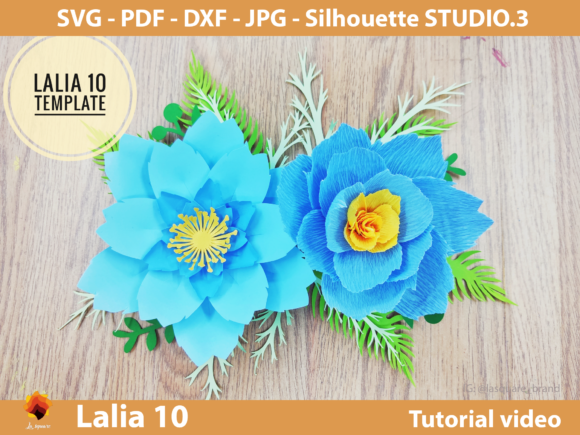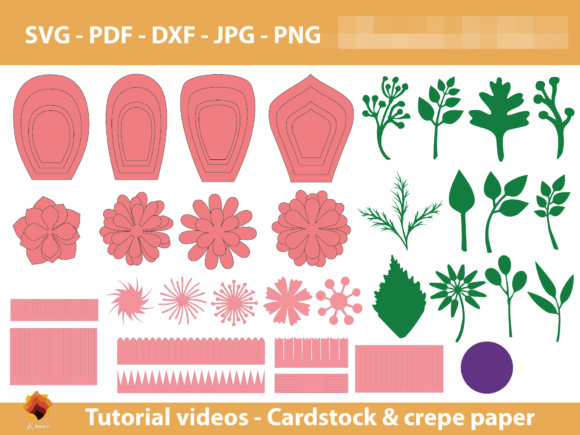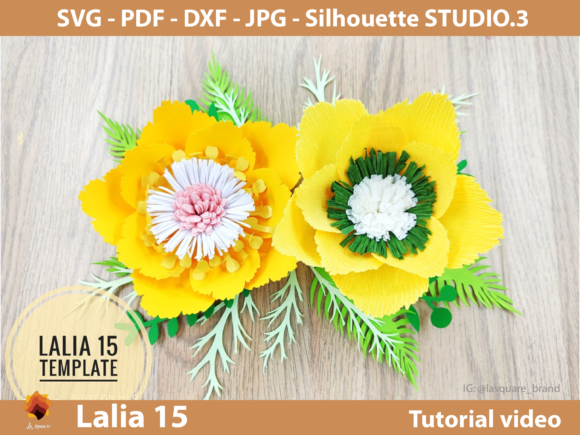
Lalia 15 Giant Paper Flowers Template Review
When I first opened the files for Lalia 15 Giant Paper Flowers Template, my immediate reaction was a mix of skepticism and excitement. As an embroidery designer who has spent years troubleshooting stitch-outs and managing client expectations, I know that "giant" paper flower designs often look stunning on screen but can turn into muddy, unrecognizable blobs once they hit the hoop. The concept is simple: mimic the layered, geometric beauty of folded paper art through thread. But execution is everything. This review breaks down exactly how this design performs in real-world scenarios, from custom boutique merch to personal gifts, so you can decide if it deserves a spot in your library.
First Impressions: Mood and Visual Personality
The visual personality of Lalia 15 is distinctively modern yet nostalgic. It evokes the feeling of a high-end craft fair booth or a carefully curated wedding favor table. Unlike traditional floral motifs that rely on soft curves and organic blending, this design leans into structure. The layers create depth, which translates surprisingly well to embroidery when done correctly. It feels bold, graphic, and intentional. For designers looking to add a touch of whimsy without sacrificing professionalism, this is a strong candidate. It doesn’t scream "cute"; it whispers "crafted with care."
I found myself immediately thinking about where this would shine brightest. It isn’t just a pretty picture; it’s a statement piece. The layout suggests it works best as a focal point rather than a subtle background element. Whether you are creating a handmade product for a niche market or designing assets for a broader audience, the clean lines of the paper flower aesthetic offer a crisp contrast to softer fabrics like linen or cotton jersey.
Real-World Application: From Screen to Stitch
Let’s talk about practical use. I recently tested a similar large-scale floral motif on a heavyweight canvas tote bag for a local artisan market. The result was striking, provided the stitch density was managed correctly. With Lalia 15, the potential for a high-value custom apparel item is significant. Imagine this embroidered on the front panel of a cream-colored sweatshirt, paired with minimalistic lettering below. It creates an instant brand identity for any Etsy seller or small shop owner looking to stand out.
The design also translates beautifully to home decor. I envision this on a textured pillow cover or even a kitchen towel set for a housewarming gift. The size allows the details to breathe, meaning customers can actually appreciate the craftsmanship. In the world of digital products, having a mockup of this on a neutral background increases perceived value. Buyers see not just a flower, but a finished embroidery project ready to be gifted or displayed. For commercial embroidery businesses, this design offers versatility. It fits seamlessly into seasonal collections, particularly for spring weddings, baby showers, or Mother’s Day campaigns.
Where Caution Is Required
However, no design is perfect for every surface. There are specific situations where Lalia 15 requires careful consideration. First, consider the scale. If you attempt to shrink this design down too much for a tiny embroidered patch or a cap logo, you will lose the defining characteristics of the paper fold effect. The layers may merge, resulting in a shape that looks more like a generic rosette than a structured paper flower. Always check your hoop size constraints before committing to production.
Fabric choice is equally critical. While this design looks great on stable, medium-weight fabrics, it struggles on highly textured materials like chunky knits or thick terry cloth. The needle penetration becomes inconsistent, and the satin stitch edges may pucker. Similarly, avoid using this on thin, stretchy synthetics without proper stabilization. The weight of the threads can distort the fabric, ruining the crisp geometry that makes the design appealing. If you are working with dark fabrics, ensure your thread colors provide enough contrast. A white-on-black version might get lost unless you use a heavy underlay or a contrasting backing.
Technical Considerations for Designers
Before you start stitching, there are several technical steps you must take. First, always test the design on scrap fabric that matches the final project material. This reveals issues with tension, stabilizer adhesion, and thread breakage early. Pay close attention to the stitch density. Large fill areas can become stiff and uncomfortable if over-stitched. You want the embroidery to lie flat, not form a rigid plate on the garment.
Inspect the smaller details closely. In digital previews, tiny gaps between petals might look clear, but in thread, they can close up. Use a black-and-white mockup to check contrast levels. This helps you visualize how the design will read from a distance. If you plan to sell finished items, confirm the licensing terms explicitly. Just because you have the file does not automatically grant commercial rights for mass production. Clarify whether this is intended for limited-run personalized gifts or unlimited commercial use.
Impact on Brand and Customer Trust
Quality consistency builds trust. When a customer receives a personalized gift featuring a clean, well-executed Lalia 15 design, they perceive higher value. The precision of the paper flower style suggests attention to detail, which reflects positively on your brand. It signals that you don’t just print images; you engineer solutions. For craft business owners, this means fewer returns due to poor quality and more positive reviews highlighting the "beautiful detail."
Furthermore, the design’s adaptability supports brand consistency. You can use variations of this theme across different products—apparel, bags, nursery decor—creating a cohesive visual language. This recognition factor is invaluable for small shop products trying to build a loyal following. Customers remember the look, and they come back for more.
Final Verdict
Lalia 15 Giant Paper Flowers Template is a versatile, high-potential asset for any serious embroiderer. It bridges the gap between digital graphics and tactile craftsmanship effectively. While it demands respect regarding fabric choice and stabilization, the payoff in terms of aesthetic appeal and product value is substantial. It is ideal for tote bag design, sweatshirt embroidery, and upscale home decor. By following basic testing protocols and respecting the limits of scale and texture, you can transform this template into a standout feature of your portfolio. It is not just a file; it is a tool for creating memorable, tangible experiences.