Pinwheel Pattern Review: A Designer’s Take on Versatile Embroidery
As a designer who spends more time looking at stitch density charts than actual sunsets, I approach every new embroidery file with a healthy dose of skepticism. The market is flooded with designs that look great in a digital mockup but fall apart under the needle. That is why when I encountered the Pinwheel Pattern, categorized under Shapes and formatted as a 3D SVG, I didn’t just see a cute graphic. I saw potential for a versatile design asset that could serve everything from a quick hobbyist project to a high-volume commercial product line.
This review isn’t about telling you what the file contains; it is about evaluating how Pinwheel Pattern performs in real-world application. I have tested similar shapes in various contexts—from boutique branding to personalized gifts—and I want to share my practical insights on whether this design earns a spot in your library.
First Impressions: Mood and Visual Personality
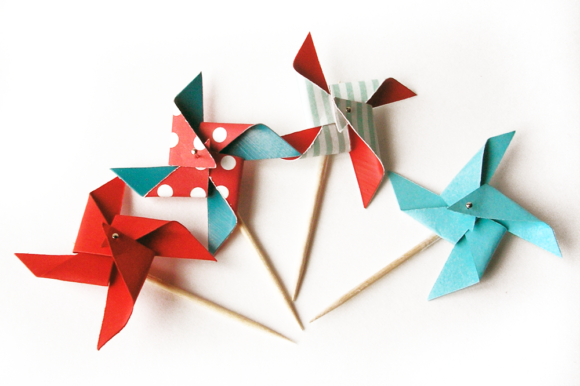
The immediate appeal of the Pinwheel Pattern lies in its inherent dynamism. Unlike static floral motifs or rigid geometric blocks, a pinwheel suggests motion. Even when stitched onto a stationary piece of fabric, the eye is drawn to the rotational symmetry, creating a sense of playful energy. This makes it an excellent choice for brands or products that want to convey joy, childhood nostalgia, or whimsical creativity.
From a layout perspective, the shape is clean. It does not rely on excessive negative space or overly complex internal detailing that might get lost during the stitching process. The visual personality is light and airy, which translates well into both digital previews and physical finished products. When I imagine this design, I do not think of heavy, dense industrial work; I think of crisp, cheerful accents that elevate a simple garment without overwhelming it.
Real-World Application: Where Does It Fit?
To truly understand the value of an embroidery file, we must look at where it can be sold and used. The Pinwheel Pattern is surprisingly adaptable across multiple categories. Here is how I see it performing in specific scenarios:
- Custom Apparel and Sweatshirt Embroidery: Placing a single, well-proportioned pinwheel on the chest of a sweatshirt creates a subtle, trendy look. For a tote bag design, a cluster of pinwheels scattered across the canvas adds a handmade charm that appeals to students and creatives.
- Baby Embroidery and Nursery Decor: The soft, rounded nature of the pinwheel makes it ideal for baby clothes, blankets, and nursery wall hangings. It serves as a perfect personalized gift for baby showers, offering a modern twist on traditional nursery themes.
- Holiday Embroidery and Party Decor: While often associated with spring or summer, the bright colors achievable with this design make it suitable for birthday parties and festive gatherings. Larger versions can even serve as decorative elements for event backdrops or custom party favors.
- Commercial Embroidery and Branding: For small business owners, this shape offers a unique logo alternative. It is memorable and distinct, helping a brand stand out in a crowded marketplace. It works particularly well for craft businesses selling handmade goods at local markets or online platforms like Etsy.
I also envision this design being used for embroidered patches attached to denim jackets or backpacks, adding a pop of color to everyday accessories. The versatility extends to kitchen towels and aprons, where a playful motif can brighten up a functional item.
Technical Performance and Stitch Clarity
When evaluating a 3D SVG or any machine embroidery design, clarity is king. The Pinwheel Pattern benefits from its geometric simplicity. Because the lines are relatively straight and angular, they tend to hold their shape well, provided the correct stabilizer is used. However, designers must pay close attention to the transition between the different colored sections or segments of the pinwheel.
If the design utilizes a satin stitch for the outlines, ensure that the underlay is sufficient to prevent puckering, especially on stretchy fabrics. For fill areas, a combination of fill stitch and running stitch can add texture and depth, making the final product feel more premium. The key here is balance; too much density can make the fabric stiff, while too little can result in a flimsy appearance. Testing the design on scrap fabric is non-negotiable to confirm that the thread colors contrast effectively against the chosen background.
Cautions and Considerations
No design is universally perfect, and Pinwheel Pattern has specific constraints that users should respect to avoid disappointing customers:
- Small Hoop Sizes: Attempting to shrink this design too small may cause the individual blades of the pinwheel to merge, losing its defining characteristic. Stick to minimum sizes that allow each segment to breathe.
- Textured and Stretchy Fabrics: Highly textured fabrics like bouclé or very stretchy knits can distort the sharp angles of the pinwheel. If using these materials, a cut-away stabilizer is essential to maintain structural integrity.
- Dense Stitch Areas: Avoid placing the design over existing seams, pockets, or other dense embroidery. This can lead to hoop burn or difficulty in threading the needle.
- Frequent Washing: For items like aprons or children’s clothing that undergo frequent laundering, ensure the design is secured properly. Loose threads or poor stabilization can lead to premature wear.
Designer Notes for Success
Before committing to a full production run or listing a handmade product for sale, follow these practical steps:
- Test on Scrap Fabric: Always run a test stitch-out to check for tension issues and alignment.
- Check Thread Color Contrast: Ensure the thread colors pop against the fabric. Light threads on dark fabric or vice versa usually yield the best results.
- Review Stitch Density: Adjust the density settings if necessary to suit the specific fabric weight.
- Inspect Small Details: Zoom in on the digital file to ensure no tiny details will get lost in translation.
- Black and White Mockups: View the design in grayscale to assess the overall composition and balance without the distraction of color.
- Confirm Licensing: Verify the license terms before selling finished items or using the design in commercial projects. Understanding the rights associated with the digital embroidery file protects your business legally.
In conclusion, the Pinwheel Pattern is a solid addition to any designer’s toolkit. Its playful yet structured aesthetic makes it suitable for a wide range of applications, from personal crafts to professional commercial goods. By paying attention to fabric choice, stabilization, and sizing, you can create stunning finished products that resonate with buyers and showcase your craftsmanship.