Single Sunflower Template: 3D SVG for Paper Flowers
In the world of digital publishing, visuals are not merely decoration; they are the primary vehicle for trust and engagement. As a blog designer who has spent years optimizing editorial layouts for maximum reader retention, I approach every new graphic design asset with a critical eye. Does it elevate the content? Does it support the brand identity? And most importantly, does it perform well across different devices and contexts?
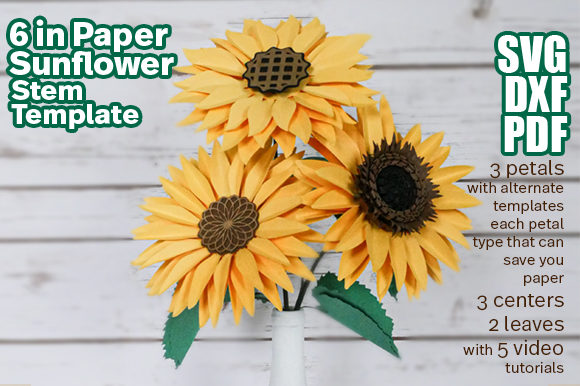
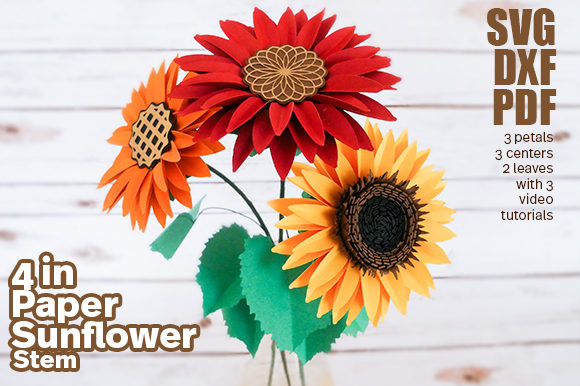
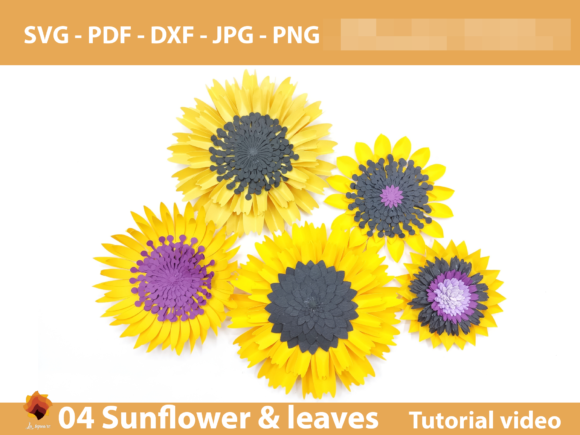
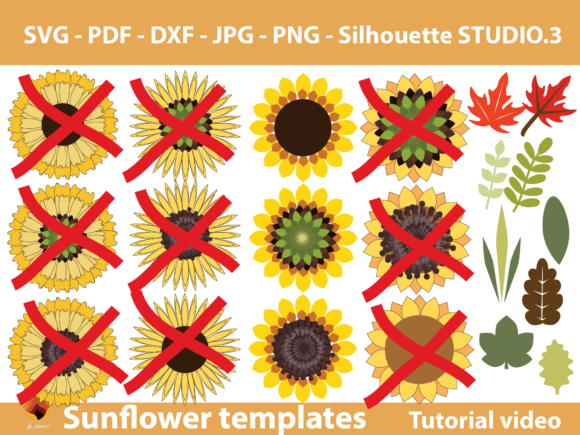
Recently, I evaluated the Single Sunflower Template, a versatile design resource that promises to bring organic warmth to digital spaces. Included as part of set 04 in the Sunflower templates collection, this package offers a comprehensive suite of files including PDF, SVG, DXF, PNG, and JPG formats. It features detailed leaves and centers, accompanied by tutorial videos, and is explicitly recommended for use with Canva. For bloggers, affiliate marketers, and small business owners looking to refine their visual hierarchy, understanding how this asset fits into a real-world publishing workflow is essential.
The Editorial Mood and First Impressions
When you first load the Single Sunflower Template into your workspace, the immediate impression is one of curated naturalism. Unlike flat, generic clip art, this 3D SVG element suggests depth and texture. In editorial design, this distinction matters immensely. A flower that appears to have volume and realistic leaf structure signals to the reader that the content creator has invested effort into quality. This subtle cue can significantly enhance reader trust, particularly in niches like lifestyle blogging, home decor, gardening, or feminine-focused wellness brands.
The aesthetic leans towards modern design with a touch of rustic charm. It is neither overly playful nor strictly corporate. Instead, it strikes a balance that makes it suitable for a wide array of content marketing strategies. Whether you are designing a lead magnet for an online educator or creating social media graphics for an affiliate marketer, the sunflower provides a focal point that draws the eye without overwhelming the message. It feels clean, bold enough to stand out in a crowded feed, yet decorative enough to soften the overall look of a website header or newsletter banner.
Integrating Design Assets into Real Publishing Workflows
A common mistake among creative entrepreneurs is treating design assets as isolated images rather than integrated components of a brand identity. The Single Sunflower Template shines when used as part of a cohesive system. Here is how I recommend integrating this digital download into your daily operations:
- Blog Featured Images and Headers: Use the high-resolution PNG or JPG versions to create custom featured images. Place the sunflower in the negative space alongside your headline text. This creates a strong visual hierarchy, guiding the reader’s eye from the image to the title.
- Pinterest Graphics and Social Media Previews: Pinterest is a visual search engine. The vibrant nature of a sunflower template performs exceptionally well on pins. Because the package includes vector files (SVG/DXF), you can scale these elements to fit various aspect ratios without losing quality, ensuring your social media graphics look crisp on both mobile and desktop screens.
- Digital Guides and Lead Magnets: If you are creating a downloadable printable design, such as a worksheet or an eBook cover, the 3D SVG allows you to layer elements for a premium feel. You can use the leaves and centers to frame quotes or highlight key takeaways within your digital guide.
- Newsletter Graphics: Email clients can be tricky with heavy images. However, using the single sunflower as a section divider or a bullet-point icon can add personality to your email marketing campaigns. It breaks up text blocks and improves readability by providing visual rest stops for the subscriber.
- Category Thumbnails: For websites with multiple content categories, using a consistent visual motif helps with category recognition. If your site covers seasonal topics, the sunflower can serve as a recurring symbol for summer-related posts, strengthening your site’s visual identity over time.
Impact on Content Performance and Brand Identity
Why does this specific graphic design asset matter for your bottom line? In affiliate marketing and content publishing, click-through rates (CTR) are driven by clarity and appeal. A polished editorial design reduces cognitive load for the user. When a visitor lands on your page, they should instantly understand the tone and value proposition. The Single Sunflower Template supports this by adding a layer of professional polish.
Furthermore, consistency builds brand recall. By incorporating this specific design element into your Canva templates, blog posts, and ads, you create a recognizable aesthetic. Over time, readers will associate that warm, organic feel with your brand. This is crucial for small business branding, where personal connection drives sales. A strong visual identity makes your content pages look more authoritative, which indirectly boosts SEO through increased dwell time and lower bounce rates.
Strategic Placement and Visual Hierarchy
To maximize the effectiveness of the Single Sunflower Template, consider where it sits within your layout. Hero images benefit greatly from large-scale applications of the flower, establishing mood immediately. Article thumbnails work best when the sunflower is paired with ample whitespace and clear typography. For editorial accents, smaller instances of the leaves or center detail can be used to underline headings or decorate pull quotes.
However, not every placement is ideal. There are scenarios where this asset should be used carefully. On small mobile thumbnails, complex details might get lost, so opt for simplified versions or higher contrast placements. Avoid using it on busy layouts where the background competes with the foreground elements. Additionally, if you operate in a serious professional niche, such as legal services or corporate finance, the whimsical nature of a paper flower may clash with the required tone. In such cases, a more minimal visual system is preferred.
Practical Publisher Notes for Implementation
Before deploying the Single Sunflower Template across your platforms, I recommend running through a rigorous testing checklist. Digital publishing requires attention to technical detail as much as creative flair.
- Cross-Device Testing: Always preview your designs on both desktop and mobile screens. Check how the sunflower looks as a thumbnail on a narrow phone display. Does it remain recognizable? Is the text still legible?
- Contrast and Readability: Test the asset against various background colors. Ensure there is sufficient contrast between the flower and the underlying image or color block. Poor contrast kills click-through potential.
- Font Pairing: Experiment with different typography styles. Place the sunflower beside serif fonts for a classic editorial look, sans-serif fonts for modern cleanliness, script fonts for a personal touch, or handwritten fonts for a casual vibe. See which combination reinforces your brand identity best.
- File Size Optimization: Web performance is a ranking factor. Compress your PNG and JPG files properly to reduce load times. While the SVG files are lightweight, ensure your final exported images are optimized for the web without visible quality loss.
- Licensing Verification: Confirm the commercial license terms before using this asset on monetized websites, affiliate pages, or paid content products. Most creative marketplaces offer clear guidelines, but verifying that you have the right to use the design assets for commercial purposes is a critical step for any digital publisher.
Ultimately, the Single Sunflower Template is more than just a pretty picture. It is a tool for enhancing editorial design, supporting content marketing goals, and refining your small business branding. By integrating it thoughtfully into your Canva templates and website headers, you can create a cohesive, trustworthy, and visually compelling online presence that resonates with your audience.